
Interlock Biaxial Geogrid

Interlock is a biaxial extruded geogrid – a durable material made from polypropylene, designed to strengthen and stabilise soil. When installed in the granular layer, it enhances the performance and weight-bearing ability of the ground, allowing you to reduce the amount of material needed and save on costs.

What does a Biaxial Geogrid do?

Interlock biaxial geogrids deliver consistently high tensile strength and modulus, mobilised at low strains for immediate reinforcement. The rigid, monolithic construction provides excellent junction strength and superior performance, alongside exceptional resistance to installation damage, chemical attack, and environmental exposure. This makes it a durable and reliable choice for any site. Interlock is available in various biaxial configurations to suit your project’s needs.

Made from polypropylene (a widely used thermoplastic polymer), Interlock is a high-performance extruded biaxial geogrid designed primarily to stabilise and reinforce soil and aggregate layers. Its rigid, monolithic construction provides excellent junction strength and superior performance, alongside exceptional resistance to installation damage, chemical attack, and environmental exposure. This makes it a durable, long-lasting solution for construction sites. 

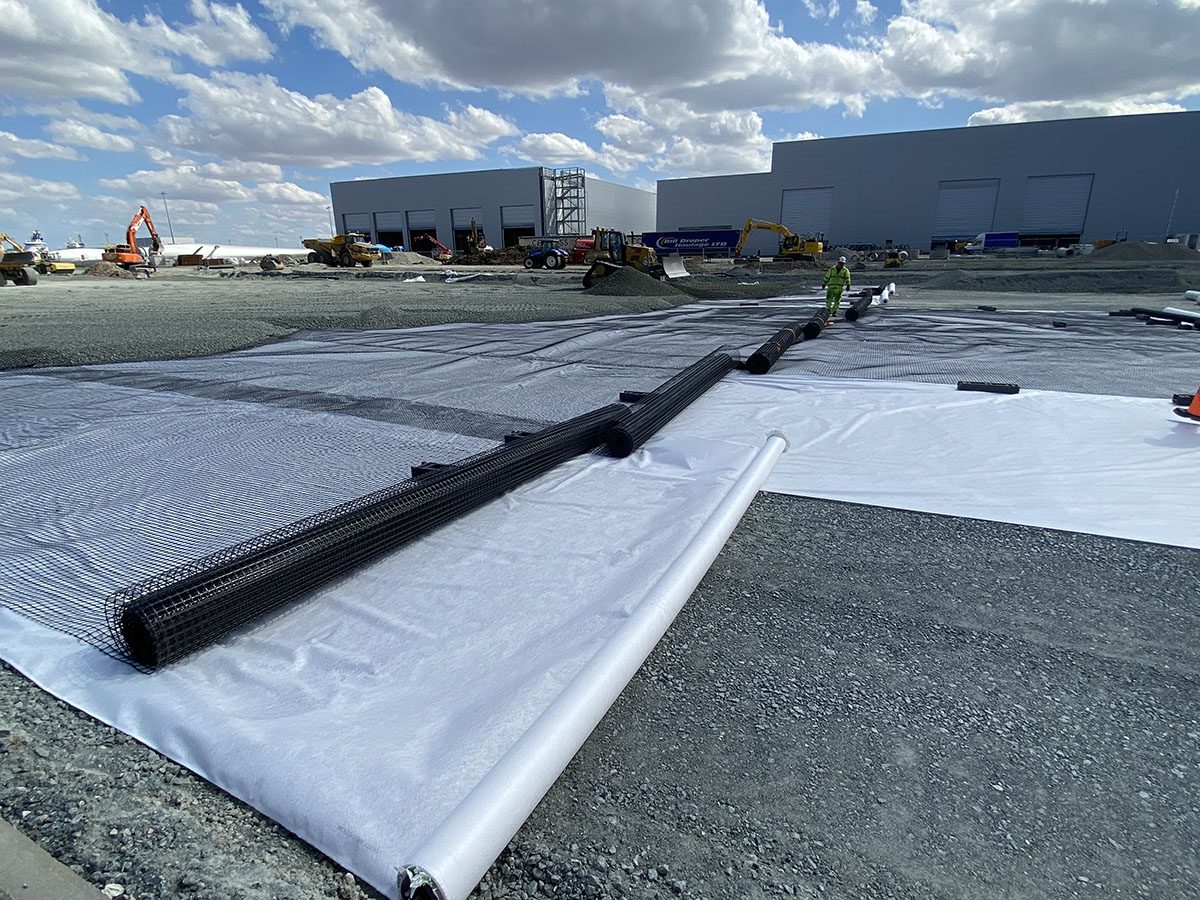
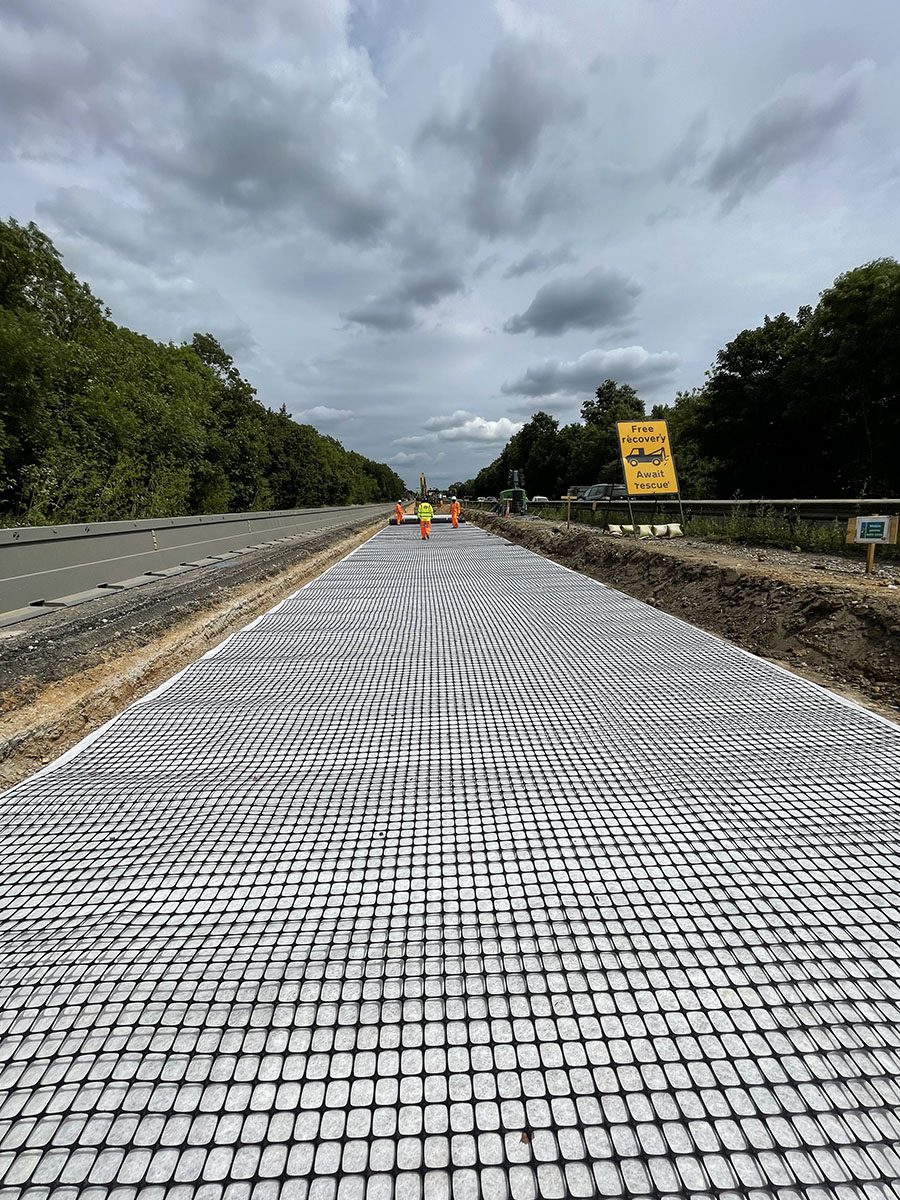
Interlock is also ideal for roads, car parks, access routes and working platforms, particularly on weak or challenging ground. By improving ground stability, Interlock can reduce the amount of aggregate needed, helping to lower construction costs and environmental impact while still delivering strong, reliable foundations.

Interlock is available in a range of biaxial options to suit different project requirements.

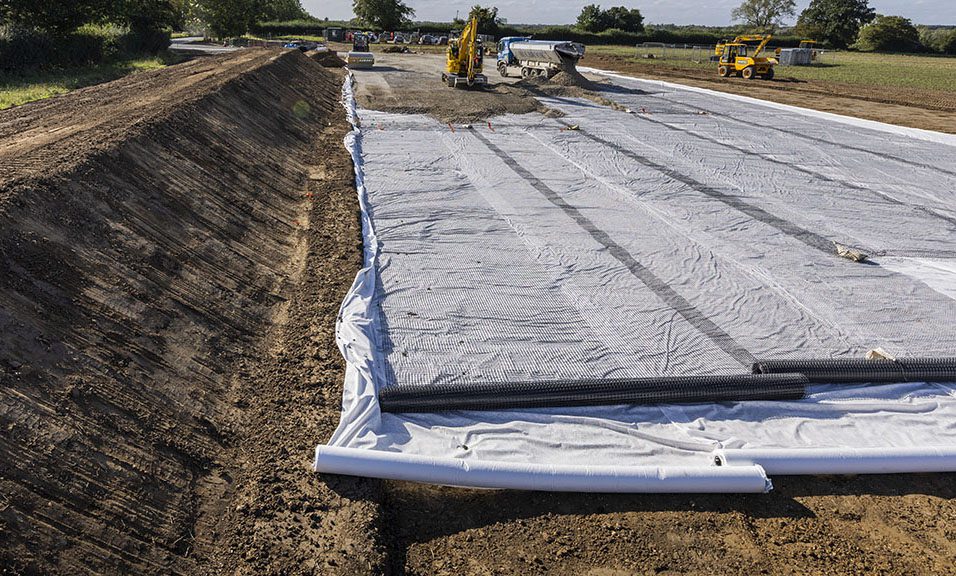
For combined reinforcement and separation, we also can supply a composite, laminated to a non-woven geotextile in the form of EnkaGrid™ MAX C. This combines the strength of a biaxial geogrid with the filtration and separation of a non-woven geotextile, providing added reinforcement.

Why choose our Interlock Biaxial Geogrid

High tensile strength

Provides powerful reinforcement by mobilising strength at low strains.

Reduces layer thickness

Increases bearing capacity, allowing for thinner granular sub-base layers.

Excellent junction strength

A rigid monolithic construction ensures superior load transfer performance.

Exceptional durability

Offers high resistance to installation damage, chemicals, and exposure.

Versatile configurations

Available in various biaxial forms to meet project specifications.

Composite option available

Can be supplied as Interlock 30G with an integrated geotextile.

Quick & Easy to Install

Symbolises fast and simple installation process.

Expert Technical Support

Expert advice and engineer-led assistance.

Need Help?

01455 617 139

Main Office

[email protected]

Free consulation

Interlock Biaxial Geogrid’s Role on Site

Interlock biaxial polypropylene geogrids deliver consistently high tensile strength and modulus, mobilised at low strains for immediate reinforcement. The rigid, monolithic construction provides excellent junction strength and superior performance

Once installed, the geogrid interlocks with surrounding granular particles, encouraging effective tensile load dispersal across a wider area. This reduces stress on the underlying soil and helps prevent movement, rutting and long-term deformation.

By stabilising the granular layer, Interlock increases the performance of the sub-base, allowing a reduction in sub-base thickness without compromising strength or durability. For clients, this translates into a cost-effective solution that lowers material volumes, speeds up installation and reduces ongoing maintenance requirements. Whether used for roads, working platforms or access routes, Interlock delivers reliable ground reinforcement that performs consistently, even on weak or variable ground.


Your Interlock Questions Answered

Yes. Interlock geogrids are designed to be highly resistant to damage during installation and to environmental conditions. During the design process, a reduction factor for installation damage is applied depending on the type of fill material in contact with the geogrid. These factors typically range from 1.0 to 1.30, ensuring that the long-term performance of the geogrid is maintained.

Interlock geogrids are typically used with granular materials, where they perform most efficiently through the interlocking and friction mechanism between the aggregate and the geogrid. They are therefore commonly used with materials such as crushed stone, gravel, and other well-graded aggregates, which allow the geogrid apertures to interlock with the particles and improve load distribution. In cohesive soils (such as clays), the interlocking mechanism is limited, so the reinforcement effect of the geogrid is generally reduced unless a suitable granular layer is used in combination with the geogrid.

Interlock geogrids improve the performance of soils by creating a mechanical interlock and friction mechanism with granular materials, which helps distribute loads more efficiently and reduce deformation. This allows for thinner aggregate layers, improved bearing capacity, and increased stability of roads, platforms, and foundations. Compared with other soil reinforcement methods, such as increasing the thickness of granular layers or chemical stabilisation (e.g. lime or cement), geogrids can provide a more efficient and sustainable solution, as they reduce the amount of imported material required and simplify construction. In addition, geogrids are quick and easy to install, which can help reduce construction time and overall project costs.

Yes. Interlock geogrids are made from durable polymers that are chemically stable, ensuring no contamination of the surrounding soil or groundwater. By improving the load-bearing capacity of the ground, Interlock geogrids can reduce the required thickness of granular layers. This minimises excavation, lowering the volume of soil that needs to be removed and disposed of, and reduces the amount of imported aggregate required for construction. Overall, the use of geogrids decreases material consumption, transportation, and environmental impact. On average, using geogrids for soil reinforcement and stabilisation can reduce CO₂ emissions by more than 40%.

No. Interlock geogrids must be installed on a flat, level and even surface to perform effectively. Proper tensioning and load distribution are essential for soil reinforcement and stabilisation, and uneven or sloped ground can compromise the mechanical interlock and friction mechanisms, which ensures geogrid performance. For optimal performance, the underlying surface should be prepared flat before installation.

When properly installed and covered, Interlock geogrids are highly durable and resistant to degradation, with a typical service life of 50–100+ years, maintaining their reinforcement performance throughout this period.

No. Once installed and covered, Interlock geogrids are designed to remain in place permanently. Removing or relocating them can damage the geogrid and compromise its structural integrity, reducing its effectiveness for soil reinforcement and stabilisation.

No. Once properly installed and covered, Interlock geogrids are maintenance-free and provide long-term soil reinforcement and stabilisation. If a geogrid is cut for underground services, a new layer of Geogrid should extend at least 1 m beyond the cut, with a patch placed over the same area to restore full performance.

Resources & Downloads

View Case Study Library

  • Interlock and Ekotex® – Peel Ports – Offshore wind farm
    Interlock and Ekotex® – Peel Ports – Offshore wind farm
    Read about this project case study.

Our Services Support Smarter Ground Solutions

Engineering Solutions

Our in-house engineering department offers an extensive range of geosynthetic solutions created by fully qualified and experienced civil engineers.

Next Day Delivery

Wherever possible, for our stocked items, we can offer a next day delivery service, direct to site to ensure your project stays on track.

Seminars

Enhance your understanding of tree root protection and sustainable construction practices by attending one of our upcoming seminars. Our expert-led sessions cover a range of topics.

Merchant Support

We are fully committed to the success of our Builders Merchant partners. Our strategy is built on a foundation of collaboration and support, ensuring that when you succeed, we succeed.

Get your quote today!

"*" indicates required fields

Name*

Register your interest!

"*" indicates required fields

Name*

Please complete the form to request access to the resource.

"*" indicates required fields

This field is hidden when viewing the form